

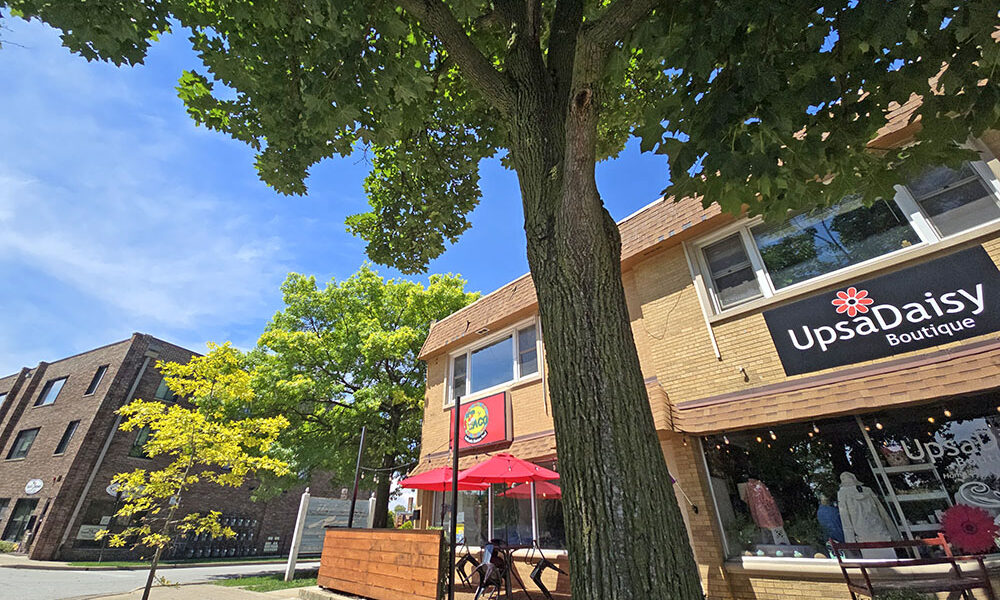


Elm trees, oak trees, and maple trees were just some of the trees residents learned about at the June 13 Green Thumb Saturdays Main Street Tree Walk organized by the Homewood Tree Committee.
Tree walk host Master Gardener Tony Greep focused on educating people on the common trees found in the village of Homewood and how they adapt in an urban environment.
The walk started near the Homewood Farmers Market and covered about a half mile. Greep stopped at each tree and had a brief discussion about the tree type, how it came to be in the village and how it survived.
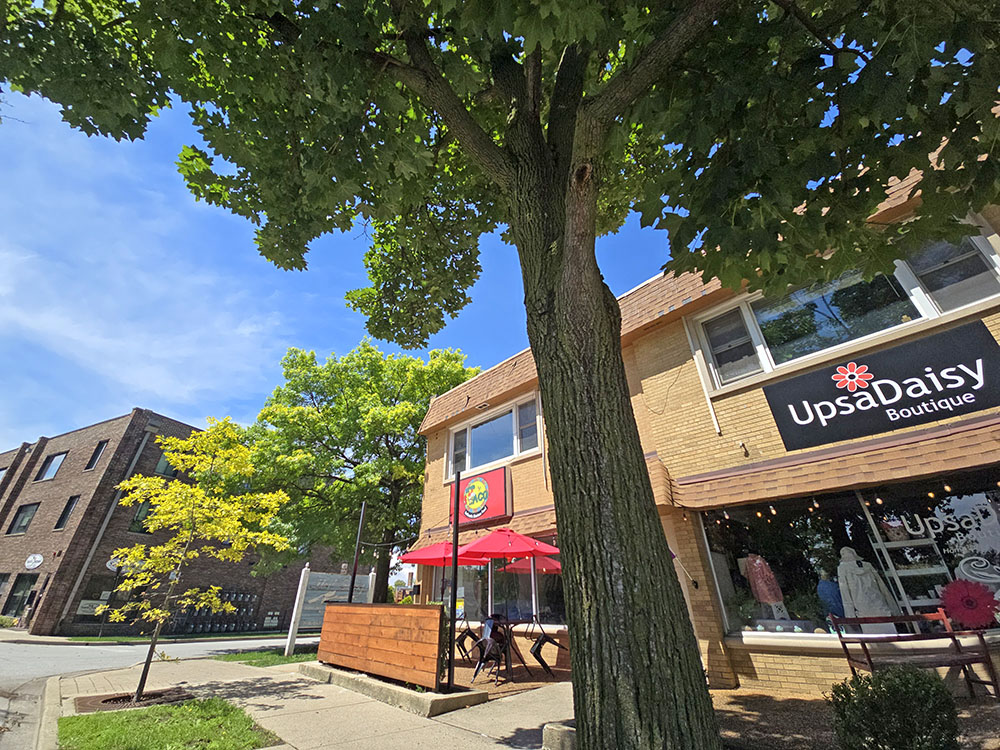
The most common tree varieties seen on the walk were elm trees, like the American elm, oak trees like the northern and bur oak, and maple trees like the silver maple.
The last tree survey taken found on the Village of Homewood website states there are more than ten thousand trees in the village overall, with the most common species being the silver and Norway maple, along with the honey locust.
Trees cover around 39 percent of the village, contributing about 4.637 tons of pollution removal, 4.662 thousand tons of carbon storage, 146.3 tons of carbon sequestration, and 390.1 tons of oxygen per year.
Some trees in the area grow roots differently because of the urban environment. If the trees are not entirely grown with dirt under them, the roots tend to spread around the base rather than grow down.
Compaction from an urban environment impacts the tree health, Greep said.
“The tree roots need oxygen; they need air, and they get it through the soil being somewhat coarse,” Greep said. “If it’s compacted, it almost like concrete, then they’re not going to get the air or the water. Water may just run off.”
Infrastructure plays a lot into how trees are impacted and survive in the area, especially if things like sidewalks or certain water or electric lines need to be put underground.
Greep said in situations where the village has to service a light pole, establish water and gas lines in the area, tree roots may have to be severed, which damages the tree, but one of the risks the village staff takes when managing the trees.
Notably, Greep said some oak trees along the tour route are not surviving well near the busy road, with the pollution from cars regularly impacting them.
Some trees that are not good at surviving streets were planted in the past for aesthetic reasons. Bradford pear trees are a common local example.
“Very weak, wooded, aggressive roots, all these things you kind of don’t want for a street tree; but they have flowers in the spring,” Greep said.
He said that as of 2028, these trees will be banned from being sold in Illinois.
An article from NBC5 Chicago noted the trees were extensively planted in the 1950s despite their weak branches’ poor durability during storms.
The Homewood arborist has been experimenting with diversifying the tree varieties in the downtown area to see how they will survive in the village environment, Greep said.
Homewood, along with other villages, are trying to transition to more native trees, so they will survive better.
“They do better against diseases,” Greep said. “They are natural insects around that can help them.”
Greep said trying to go as native as possible in even people’s yards is the best way to go.
