

Social media, once touted as the magically amazing way to connect everyone to everyone and usher in an age of blissful community, has turned out to be somewhat shy of the mark. For those who are frustrated with doomscrolling, partisan bots, scams and cyberbullies, a new book coming out this month might be just what you need.
Flossmoor resident and scholar Nicholas Epley got the idea for “A Little More Social: How Small Choices Create Unexpected Happiness, Health and Connection” from a chance encounter on the Metra and a spur-of-the-moment decision to strike up a conversation.
It was a surprisingly pleasant exchange.
As a social psychologist, he started thinking about what the meeting might mean and what the result might be if more people took a chance on talking with strangers. He set up a study and took a thorough and thoughtful look at what happens when people take small risks to connect with others in non-virtual settings.
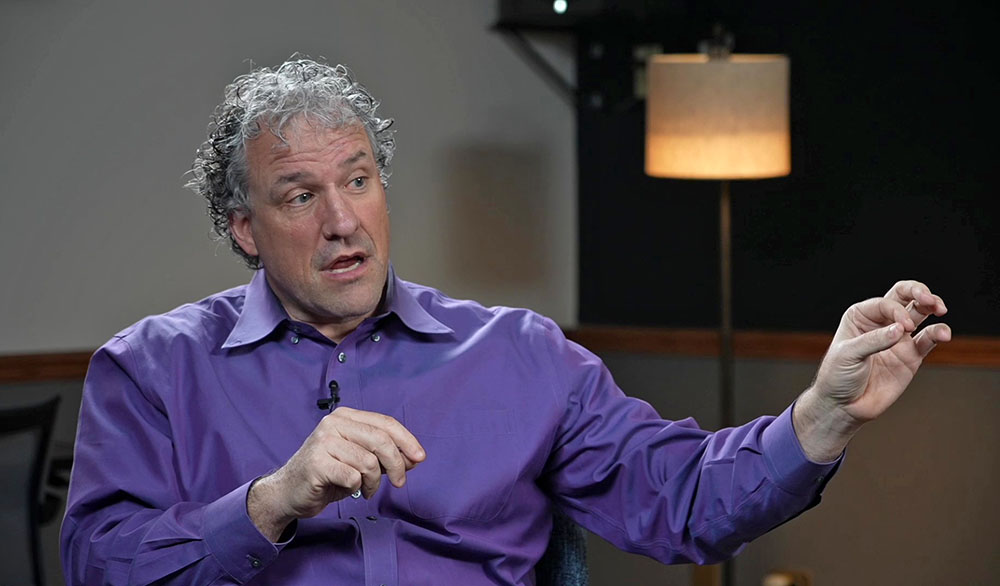
Conversations with the Chronicle: Nicholas Epley discusses “A Little More Social”
“I think what we have discovered are ways in which we’re keeping ourselves sort of imprisoned in some way. Our fears about other people keep us from reaching out and connecting with others more often than would be good for our own good,” he said. “Once you start to see that those bars that are holding you back are really more like pasta noodles, they’re not legitimate, it changes your life.”
The idea for the study might have come from the encounter on the train, but it builds on his work studying human connections. To learn more, check out his Chronicle interview at bit.ly/conversations-with-the-chronicle and his previous book, “Mindwise: Why We Misunderstand What Others Think, Believe, Feel, and Want.”
Anti-racism library
Just a reminder: Books Without Borders community book club will meet at 6:45 p.m. on Tuesday, May 19, at Flossmoor Public Library, 1000 Sterling Ave. The discussion led by club founder Jackie Riffice will focus on “Don’t Go: Stories of Segregation and How to Disrupt It” by Tonika Lewis Johnson and Maria Krysan.
The book is a collection of stories told by Chicagoans who confront the social enforcement of segregation that continues long past the dismantling of legal mechanisms that helped create a divided city.
Riffice said Krysan is expected to join the discussion.
And if you have a chance to read Nicholas Epley’s new book next, I think you’ll see interesting intersections between it and “Don’t Go.” Neighborliness might be our unsung superpower.
