

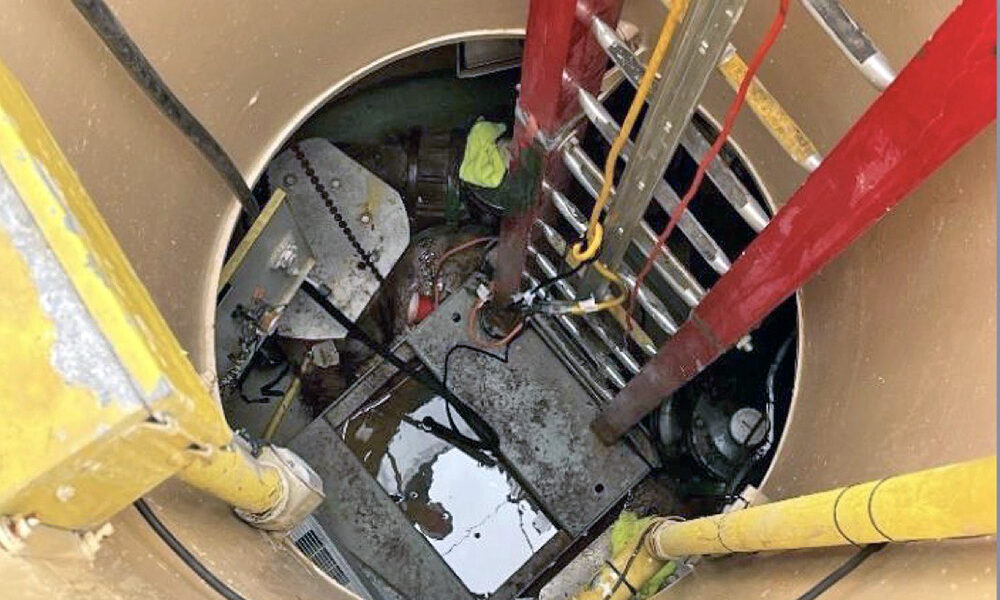


The Homewood Village Board approved a $120,602 expense to repair pumps that failed after Sanitary Life Station No. 9 lost power in September causing sewage overflow.
The budget amendment was reviewed at the Oct. 28 meeting.
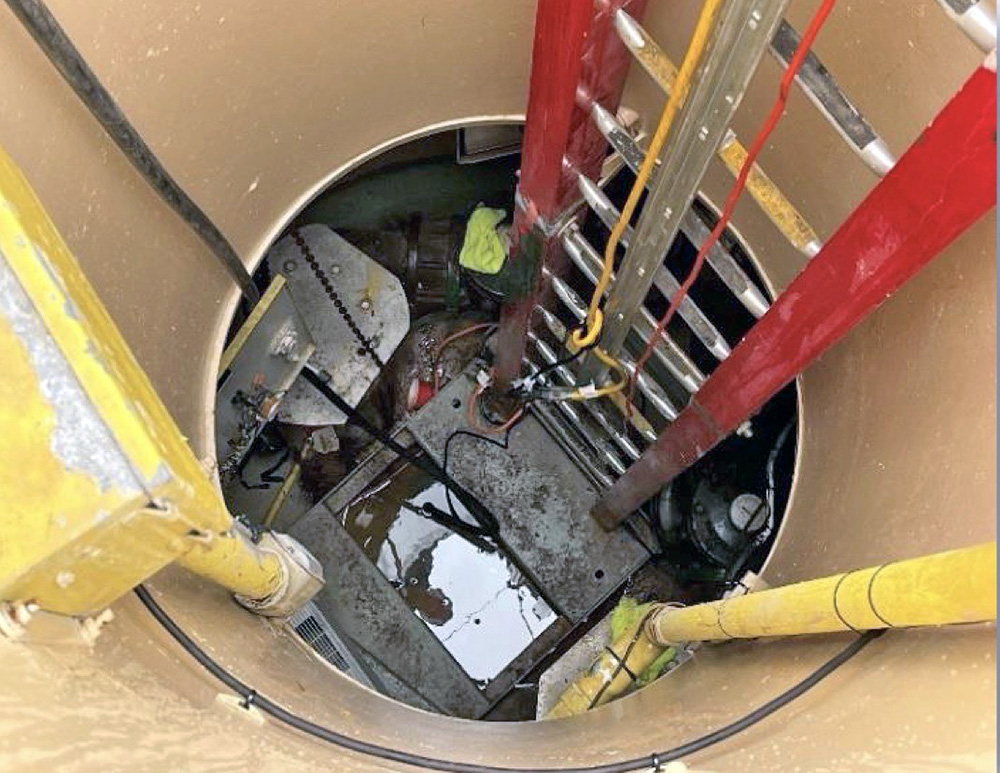
Homewood Public Works Director Joshua Burman said the flooding on Sept. 8 was traced to blown fuses on a ComEd service pole, which cut power to the station and left both pumps inoperable. The outage caused sewage to overflow from the wet well to the dry well before the crew was able to get a rental bypass pump to maintain service in the meantime.
The village is paying $5,681 per month for the rental bypass pump until permanent repairs are complete.
ComEd restored power the next morning and replaced the damaged fuses. However, inspections showed that both pumps had to be removed and repaired, costing $18,997.32. The electrical system and interior of the dry well also were damaged severely, Burman said.
To prevent future failures, staff proposed relocating the electrical controls above ground in a stainless-steel enclosure. The village will contract with Metropolitan Industries of Romeoville for $109,639 to perform the work. The contract also includes a 10% contingency clause.
Burman said the project aligns with Homewood’s long-term goal to convert its older “dry-well” lift stations to modern “wet-well” systems that keep electrical equipment above flood elevation.
The repairs will be funded through the village’s contingency account currently at $275,000 for fiscal year 2025-26. The policy, approved in 2022, allows use of those funds for emergencies such as equipment failures and other unplanned expenses, Burman said.
Burman said that staff also have contacted ComEd for reimbursement since they believe failure of the utility’s equipment to be the cause of the incident.
“There is a claim in with ComEd right now, it’s being evaluated by their team. We hope to have some answers from them shortly as far as when reimbursement might be occurring,” Burman said.
Village staff hope to have the work completed before winter in order to fully restore operational capacity and to reduce the risk of repeat failures. This will protect public health and avoid potential overflow remediation costs, he said.


