
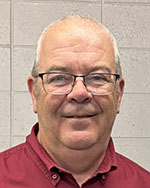
Homewood Deputy Fire Chief Steve DeJong was called to the scene of the train derailment in Matteson last year in his role as one of the hazardous materials team leaders for Mutual Aid Box Alarm System (MABAS) district 24.
“Matteson responded as a department. They realized that they had a hazard,” he said, and they called the MABAS hazmat team to help assess the situation.
The situation turned out to be less dangerous than it might have been.
What appeared to be a white powdery substance leaking at the site turned out to be plastic pellets, he said.
The team also assessed leak from a car carrying liquefied petroleum gas, which is a flammable mixture of gases compressed into a liquid state.
“The nice thing was once we figured out they were residue cars,” he said, which meant the quantity of gas was relatively small, and “that had already dissipated. It was gone.”
The team conducted air monitoring to make sure there was no danger from the LPG leak.
According to DeJong, there are two key elements of preparation for rail emergencies, thorough training and multijurisdictional communication.
“Every firefighter and even the EMTs and paramedics are trained to identify hazardous materials,” he said.
The initial assessment by first responders can help determine if a hazmat team needs to be called in. If so, the hazmat team conducts testing and further observation.
That’s where communication comes in, too. DeJong said all agencies that might be involved in an incident, from local fire, police and public works crews to county and state officials and railroad crews have to be able to consult with each other quickly and accurately.
“Building that collaboration and that partnership allows us to use each other’s knowledge, experience and tools to make it work,” DeJong said.
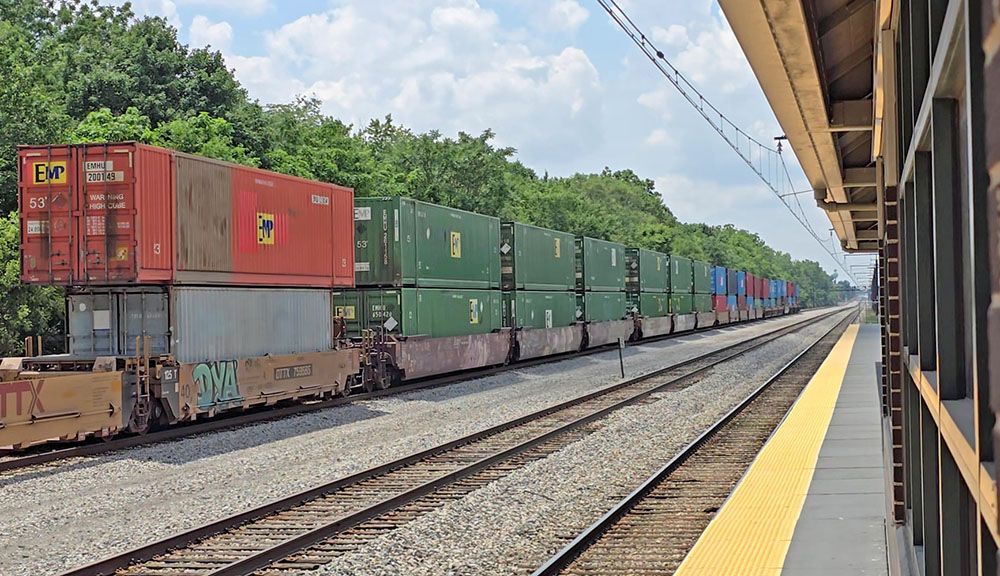
Locally, Canadian National Railway is probably the dominant freight carrier and the company area first responders often work with.
DeJong said the MABAS team has done tabletop exercises with CN and has worked simulated derailments at the CN training center in Homewood.
According to Michelle Hannan, CN media relations advisor, “CN is also the only railway that has built two mock derailment-DG (dangerous goods)-hazmat sites in Winnipeg and Homewood that allow first responders, emergency response contractors, CN leaders, along with hundreds of elected and regulatory members to train in a simulated environment, further demonstrating our commitment to safety.”
Hannan said the company also focuses on participating in the communication network that helps emergency responders work together.
“CN regularly shares general information about the contents of our trains, dangerous goods and our emergency response procedures with communities across its network. We also provide information on dangerous goods to first responders.
“CN and our industry partners developed AskRail, a mobile application that allows first responders access to real-time information about the contents of tank cars and trains.”
Informing the public
If an emergency occurs, responding agencies have to focus on addressing any hazards first, but officials also have to inform the public quickly in order to give people guidance they need to be safe and to head off any rumors that might mislead people.
DeJong said MABAS works with railroad public information officers to craft messages for the public in order to insure accuracy in describing the problem and in any actions residents should take.
In the case of the Matteson derailment, some residents were asked to evacuate their homes briefly until the hazard assessment was complete.
DeJong said although the messaging is a collaboration among responding agencies, municipalities usually get the information to residents because they are set up to communicate with the community regularly, and people look to them for information. Homewood, for example, recently developed an app for digital devices that pushes information to residents.