

Education, Local News

H-F High had positive results with restricting cell phone use

There was a different vibe at Homewood-Flossmoor High School this past school year, and some administrators and teachers believe it was due, in part, to restrictions on cell phone use during class time.

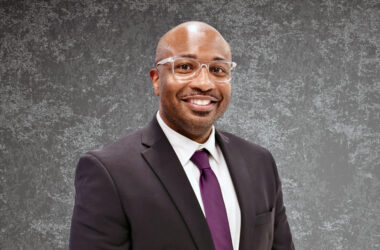
The system, put in place a year ago, will continue. H-F Principal Clinton Alexander told the Chronicle, “We’ve seen some pretty good results” based on the “out of sight” cell phone policy that expects “students to power off and store the phones in backpacks, pockets or other way that is not a disruption to their learning or their peers.”

Alexander said he believes three years of data would give him information on trends, although with just one year of data he does have other information that he believes may be attributable to the cell phone restrictions.

“We don’t have enough to say ‘we know cell phones have done this,’ but we do know that positive things have happened this year and we can’t say it’s not because of the cell phones,” the principal said. 

Alexander points to an improved Advance Placement (AP) testing pass rate of 65% this year, up from 48% three years ago, and now the highest pass rate in the past eight years. H-F also showed improvement on the ACT exam given to all juniors. The freshman class on track percentage was 93% this year “and it’s trending high historically, as well,” he said.

“Discipline data has improved by nearly 20% from last year,” Alexander said. 

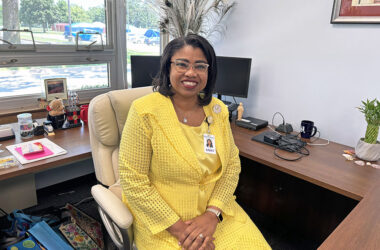
David Dore, H-F director of special education, is paying close attention to cell phone use in schools. It’s his research topic for his doctoral dissertation.

Dore said at H-F “…what it feels to me is a decrease in conflicts between students. There’s no shortage of stories that I’ve heard from teachers and some students (this past year), and it also reframes the conversation. In my opinion, as an administrator, it really provides that administrative support to the teachers to be able to address concerns in the classroom setting.”

Alexander credits the H-F teachers for the success of the program.

“Our teachers really championed it, and it wouldn’t have worked without the teachers’ cooperation,” he said.

The teacher is the person responsible for students putting cell phones away during class. If a teacher finds a student doesn’t comply, the teacher takes the phone, puts it in a lock box, and a parent or guardian gets a notification. The phone is returned at the end of class.

If the student has a second infraction, the student is sent to the Dean’s Office, and the cell phone is kept in a lock box for the school day. A parent or guardian is called about the infraction.

Alexander said out of a student body of approximately 2,800 students, H-F tallied 333 infractions with 56 repeat offenders.

The harsher punishment is a cell phone ban for a week. The student checks in every day and the Dean’s Office keeps the phone during school hours. “If you don’t check in, we come and find you” in the classroom, the principal said, adding: “They couldn’t handle the privilege of having a cell phone here.” 

The Illinois legislature considered mandating cell phone storage during school hours. Gov. J.B. Pritzker gave his support, and the bill got a unanimous vote in the Senate, but it didn’t come up for a vote in the Illinois House. In a story posted on the Chalkbeat newsletter site, State Rep. Michelle Mussman, a House sponsor of the bill and chair of the House’s education policy committee, said lawmakers brought up several concerns about the bill, such as access to phones in an emergency situation, who would be responsible if a phone was stolen or broken, and enforcement of a policy and whether it would be disproportionately applied to students of color. 

Advertisement
Popular stories < 7 days

Newsletter

Meet the Candidates: U.S. Senate

Conversations with the Chronicle